


When apex predators return, restoration works
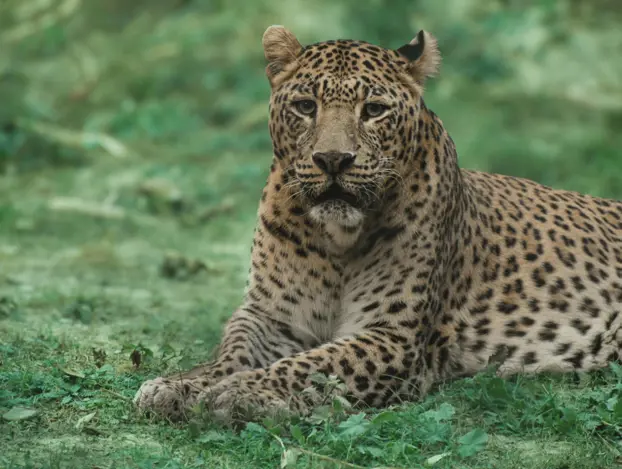
Restoration rebuilds relationships
Restoration is more than planting trees. It reactivates the relationships that keep ecosystems alive. As wildlife returns, natural processes accelerate.
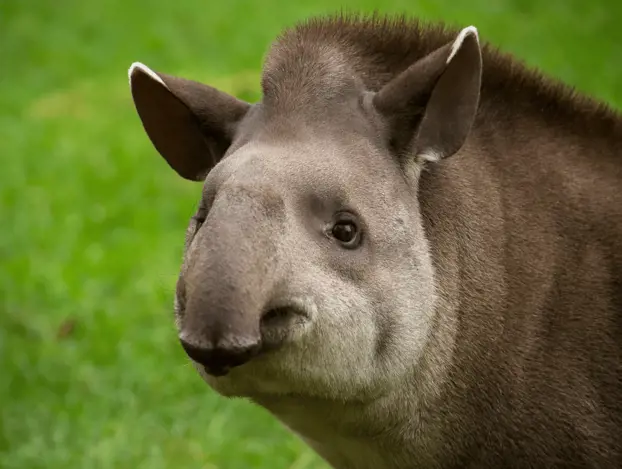
Take the South American tapir: one of the largest seed dispersers in tropical forests. By spreading seeds, pollinating flowers and moving through the forest, tapirs directly support vegetation regeneration and help the forest recover faster.
Discover our partnership with the Black Jaguar Foundation and how we contribute to restoring biodiversity in Brazil.
Learn moreCorridors open safe pathways for rare species
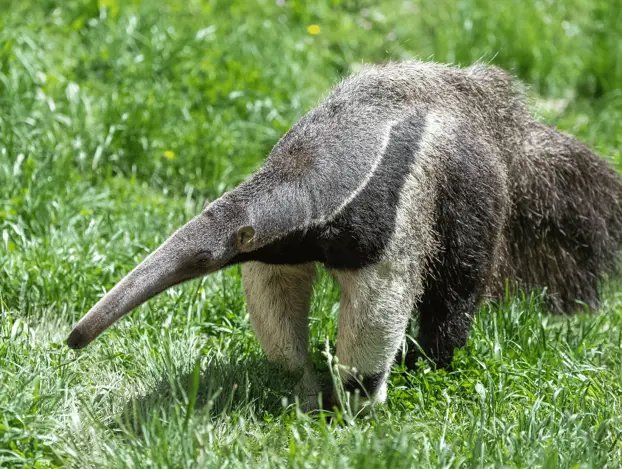
When isolated forest fragments are reconnected through biodiversity corridors, animals can move, feed and breed across larger ranges. That reduces inbreeding and improves survival for threatened species like the giant anteater.
Restoring riverbanks restores river life
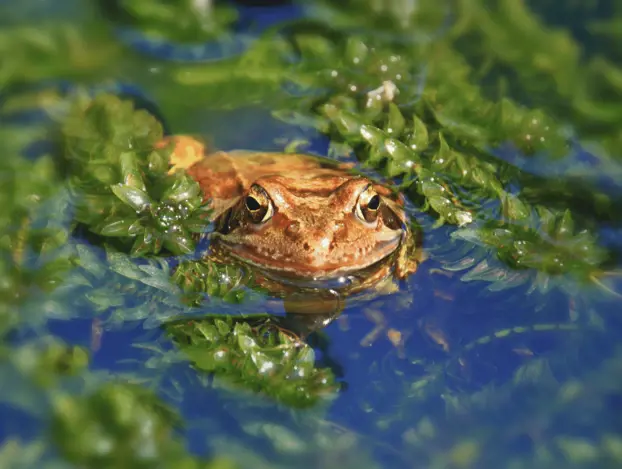
Diversity is the engine of long‑term resilience
Forests restored with a high diversity of native species cope better with droughts, pests and extreme weather. Biodiverse habitats offer shelter, food and niches for many species.
In initiatives such as the Araguaia Biodiversity Corridor, diversity is not just a number — it is what sustains the long-term return of life and strengthens the balance of the ecosystem.


