


Unlocking Vietnam’s solar potential for feed production
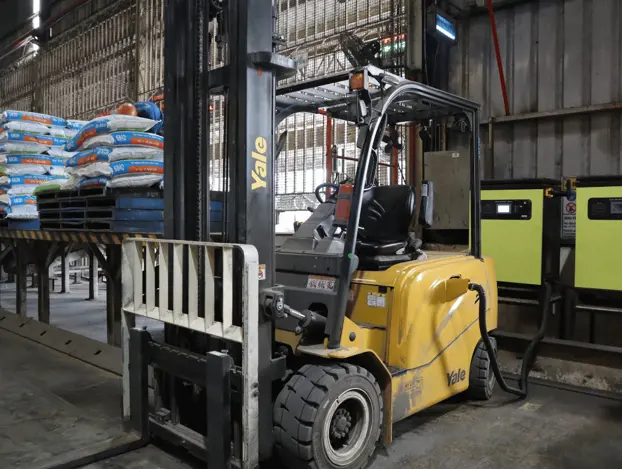
De Heus Vietnam is scaling rooftop solar systems across its feedmills and farms to reduce grid electricity use, cut CO₂ emissions and advance the Sustainable Supply Chain pillar of the Responsible Feeding Programme. Due to Vietnam’s abundant sunlight, De Heus Vietnam saw a clear opportunity to reduce reliance on grid electricity and strengthen the sustainability of both feedmills and farms. The initiative builds on earlier efforts to decarbonise operations, including the recent transition to 100% electric forklifts—completely eliminating fuel use for forklifts and improving the working experience for factory employees.

Turning rooftops into renewable energy systems
Transforming our rooftops into solar energy sources hasn’t been easy, but seeing each new installation across our mills motivates me to keep pushing the project forward.
Early impact
-
With each megawatt peak (MWp) of installed rooftop solar capacity, De Heus sites can generate an estimated 1,400 MWh of renewable electricity annually. This contributes to avoiding around 1,125 tons of CO₂ emissions per year, equivalent to the carbon absorption of more than 51,000 mature trees or removing approximately 245 cars from the road annually.
- In total, De Heus Vietnam’s installed solar systems have an estimated maximum output capacity of 15,648 kWp (maximum hourly solar generation capacity across all installed systems).
- Alongside solar expansion, the transition to 100% electric forklifts has improved workplace air quality, reduced noise and vibration, and contributed to a safer, more efficient working environment.
What's next
With solar rooftop installations near completion, De Heus Vietnam is already preparing the next steps:
-
piloting battery storage systems to stabilize renewable energy usage
-
expanding partnerships that support long‑term solar adoption
-
continuing to deploy rooftop solar across all remaining suitable sites
-
assessing opportunities to extend renewable energy use for both feedmills and farms
These efforts support the Sustainable Supply Chain pillar and De Heus’ commitment to Nourishing Future Generations through lower-emission production.


