


-
 News
NewsDe Heus honoured at the "El Suplemento National Awards" for the quality of its products
"This award comes as a result of the commitment to quality by a great team of professionals, who strive every day to offer livestock farmers the best animal feed plans", with these words Jaime Alcañiz, Marketing and Strategy Director of De Heus, collected the "Quality Product" award presented by El Suplemento.
-
 Our people
Sandra Toro – Raw Materials, Pet & Aqua Business Manager
Born in Santiago, Chile, and Brazilian at heart, Sandra Toro built a remarkable professional journey in Brazil, marked by dedication, business acumen, and, above all, an outstanding ability to nurture and develop people. Currently leading the Raw Materials, Pet, and Aqua divisions at De Heus Brazil, she brings courage, determination, and grace to her leadership — backed by over three decades of experience and genuine passion for her work.
-
 Poultry
Proper lighting when fattening broilers
From breeding to slaughter, every phases in rearing broilers requires an optimal light plan.
-

Cash & Liquidity Manager
Shape the financial backbone of a rapidly growing international, family owned, company
-
 Our people
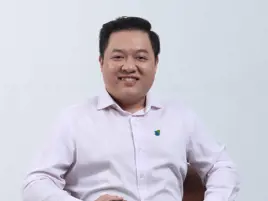
Travis Chu Huynh Nhut Thien - Swine Genetics & Farms Manager
Travis joined De Heus at the end of 2021 when the company acquired Masan MeatLife’s (MML) animal feed business. At that time, he was serving as Purchasing Manager at MML, responsible for sourcing raw materials across the Feed, Farm, and Food divisions. By mid-2023, he took on a new and pivotal role as Swine Genetics & Farms Manager, overseeing one of De Heus’s critical livestock production areas. Since then, Travis has found great fulfillment in this function — a role where his strategic thinking, practical mindset, and people leadership come together.
-
Intern R&D (Swine)
-
 News
NewsRoyal De Heus expands its Asian footprint with the acquisition of CJ Feed & Care
On October 1st 2025, Royal De Heus signed a Share Purchase Agreement to acquire 100% of CJ Feed & Care’s operations in Vietnam, Indonesia, South Korea, Cambodia, and the Philippines. The transaction marks a significant step in De Heus’ long-term growth strategy. It reflects De Heus’ continued ambition to provide access to safe, nutritious, and affordable food by supporting independent livestock and aquaculture farmers in key growth markets. This acquisition includes 17 feed mills.
-

Traineeship Global Finance / Strategy and M&A
-

Global Lead Engineer Infrastructure
-

Trainee Poultry Nutrition
As a trainee you will have unlimited access to the world of animal nutrition at De Heus Animal Nutrition. You will spend two years working in several disciplines and gain practical experience in an international environment. This traineeship will prepare you for an interesting career within poultry nutrition and product management.


